
Pressure Vessel & Boiler Inspection
We inspect, test, and certify pressure vessels, boilers, air compressors, and connected pipework to make sure they operate safely and meet regulatory requirements.
Overview
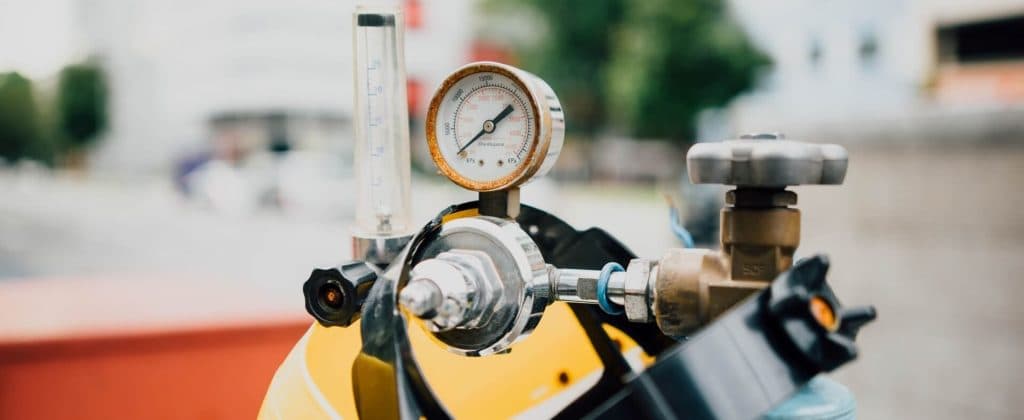
Boilers, air receivers, compressors, and other pressure vessels hold energy under pressure. On construction sites, compressed air runs breakers, drills, and spray equipment. In factories and hotels, boilers produce steam and hot water every day. When a pressure vessel fails, it can explode with great force, causing death, injury, and heavy damage to buildings. These accidents almost always start with problems that an inspection could have found early: corrosion, thinning walls, blocked safety valves, or faulty pressure gauges. Our inspectors examine your pressure equipment inside and out. We check the vessel shell and welds for corrosion and cracks, test the safety valves and pressure relief devices, verify pressure gauges, and examine the connected pipework and fittings. Where the condition of the metal cannot be judged by eye, we use non-destructive testing methods such as ultrasonic thickness measurement to check the wall thickness without damaging the equipment. For each item, we prepare a written scheme of examination. This is a simple plan that states what must be inspected, how, and how often. It removes guesswork and helps you plan maintenance and budgets in advance. After the inspection, you receive a report in clear language and a certificate for equipment that passes. If we find a problem, we tell you honestly whether the equipment can continue running, needs repair, or must stop immediately. We do not hide findings behind technical words. Regular inspection of pressure systems protects your workers and visitors, keeps your operations running, and shows inspectors, insurers, and clients that your facility is managed responsibly. We serve sites across Kigali and the rest of Rwanda.
What is Included
- Statutory inspection of boilers
- air receivers and pressure vessels
- Written scheme of examination for each pressure system
- Non-destructive testing including ultrasonic thickness checks
- Safety valve and pressure relief device testing
- Inspection of connected pipework and fittings
- Clear reports and compliance certificates
Requirements
- Equipment must be shut down
- cooled
- and depressurised before internal inspection
- Vessels should be drained and cleaned for internal examination
- Safe access must be provided
- including confined space entry arrangements where needed
- A plant operator or maintenance technician should be present
- Isolation of the equipment from other running systems